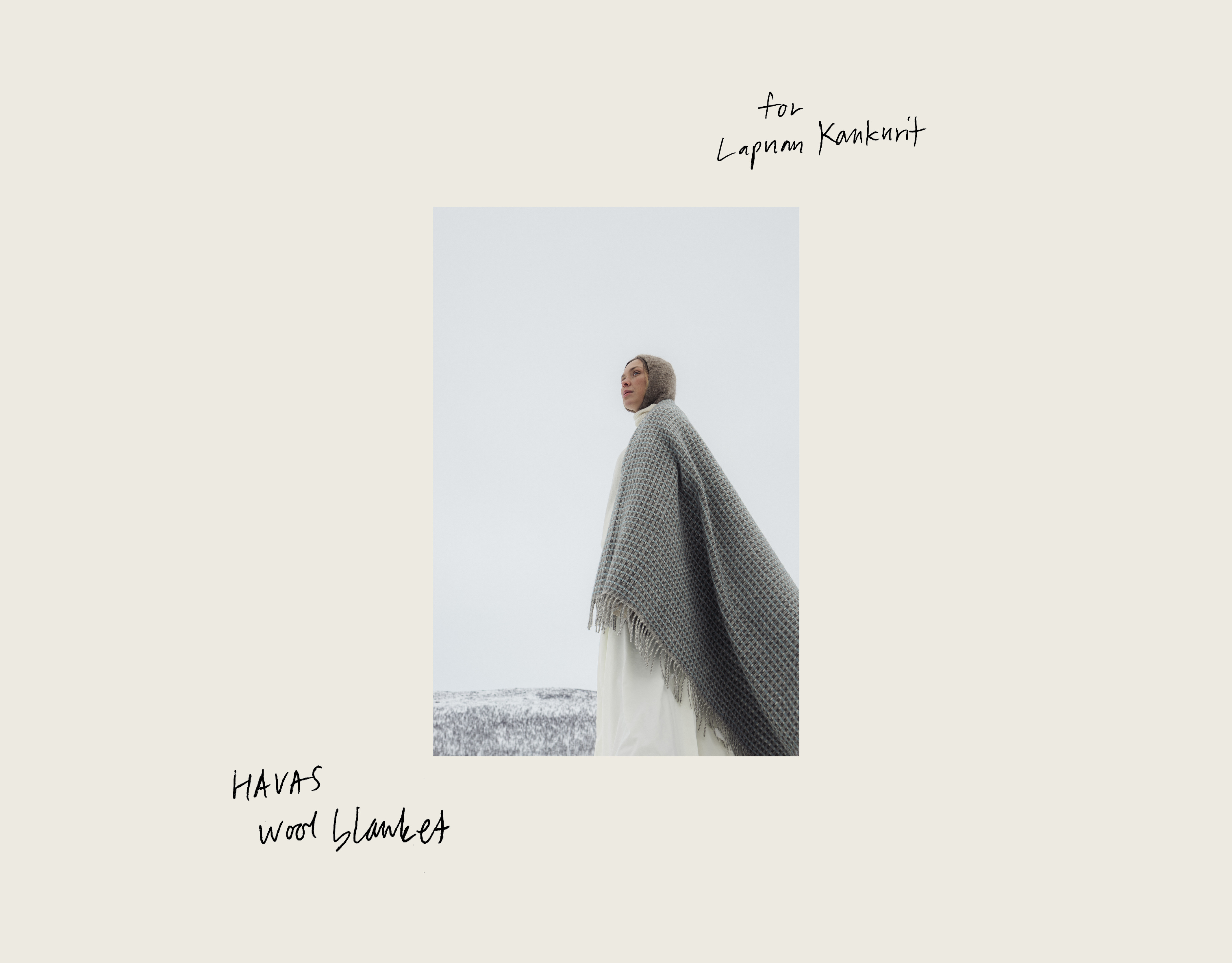
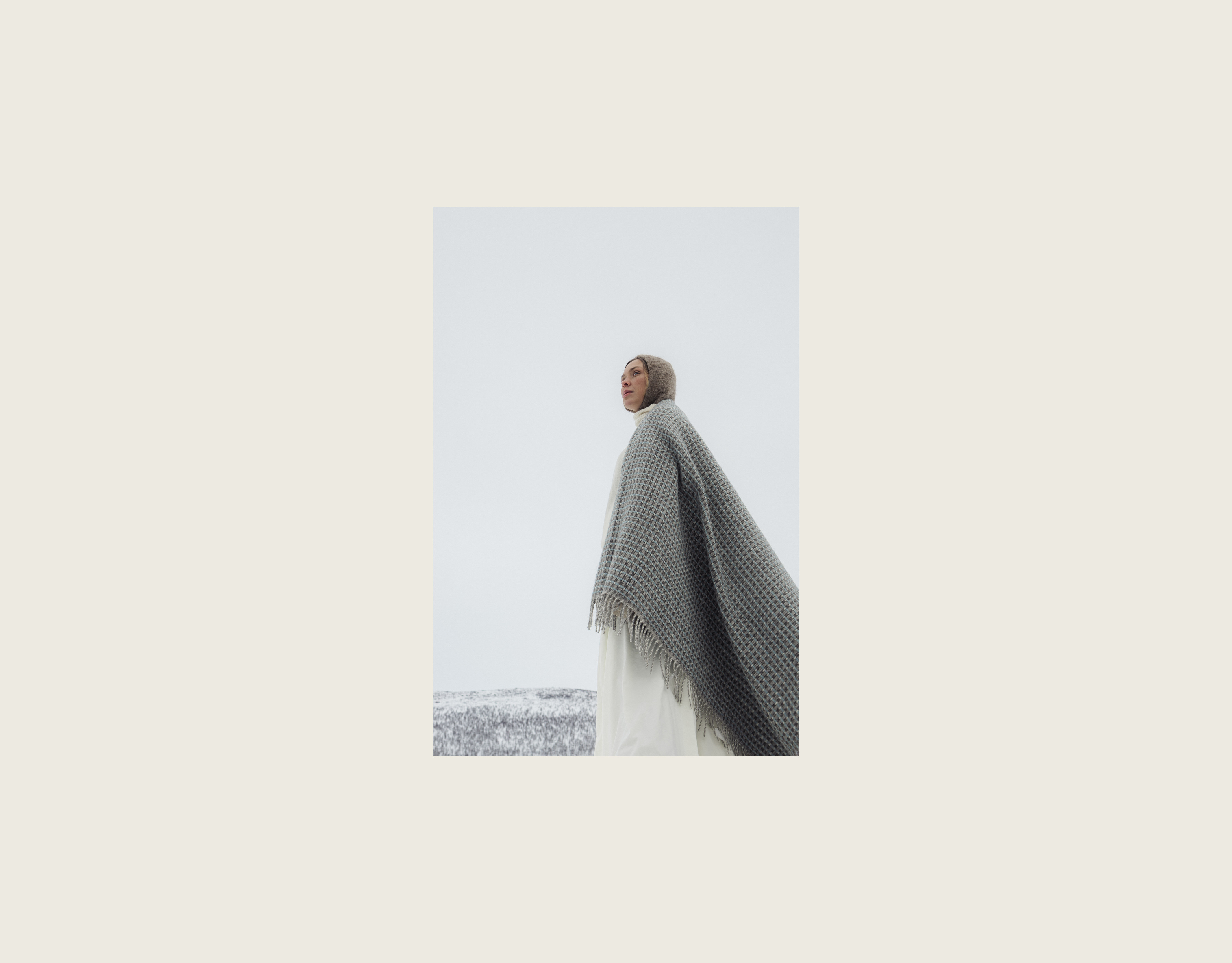
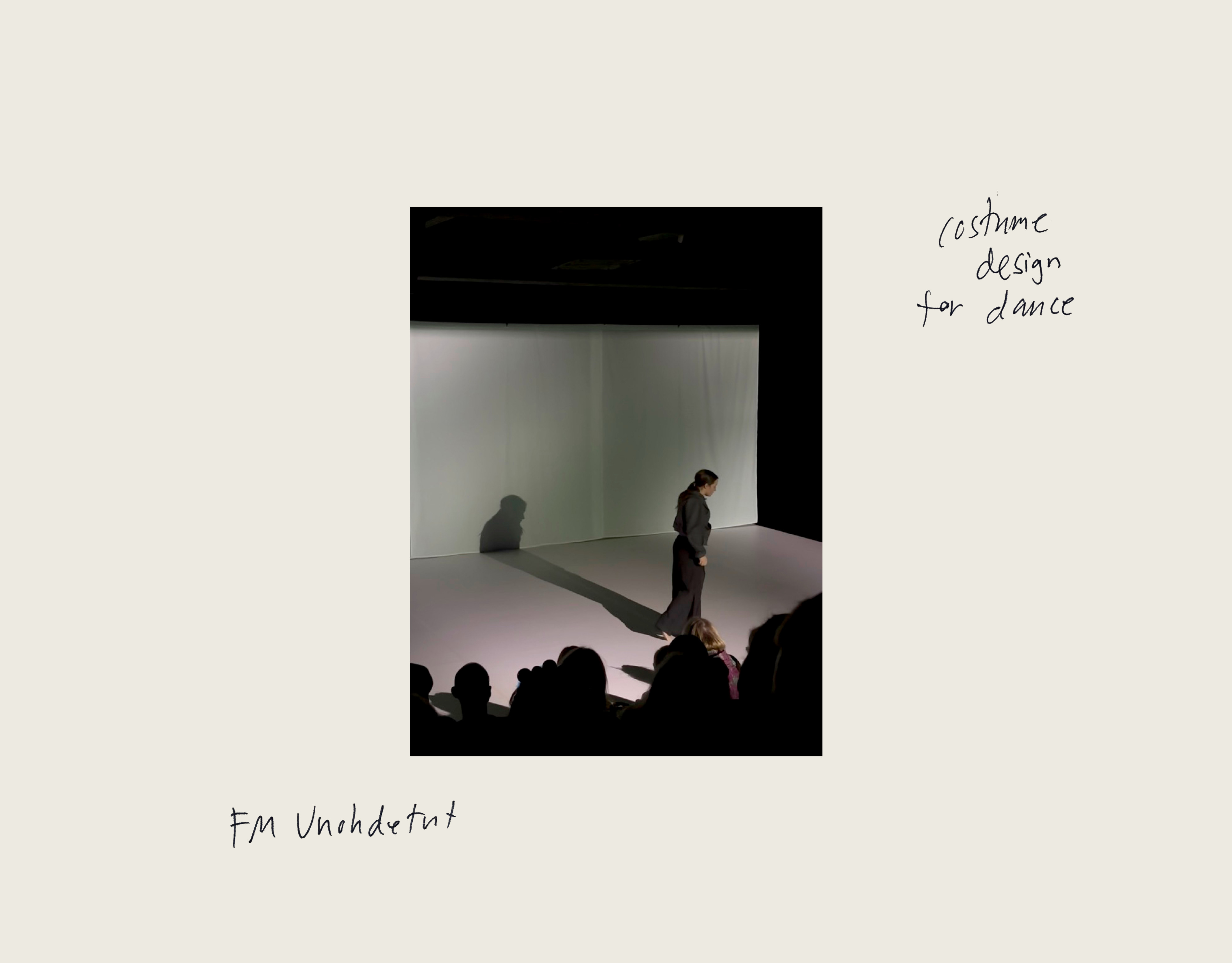
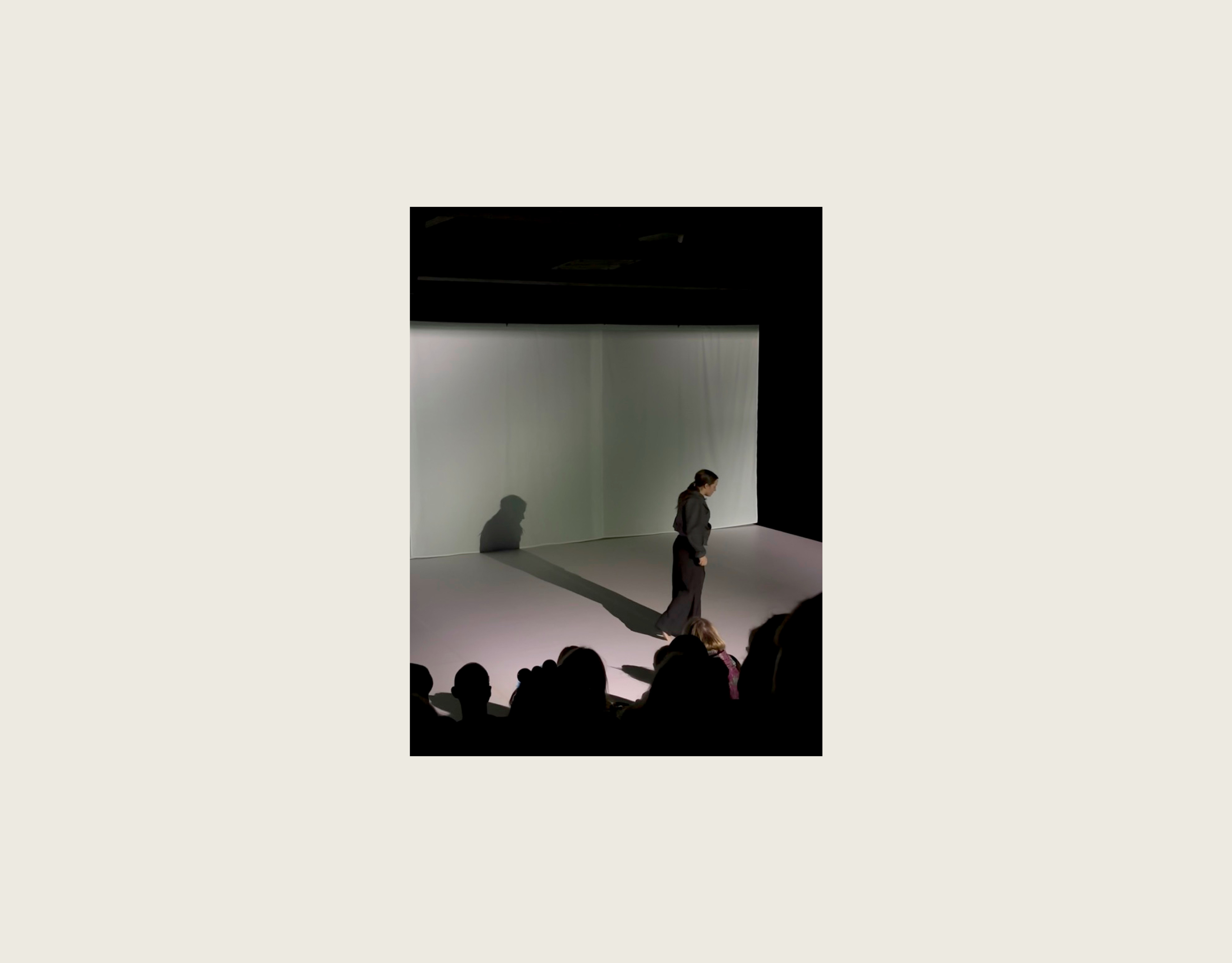
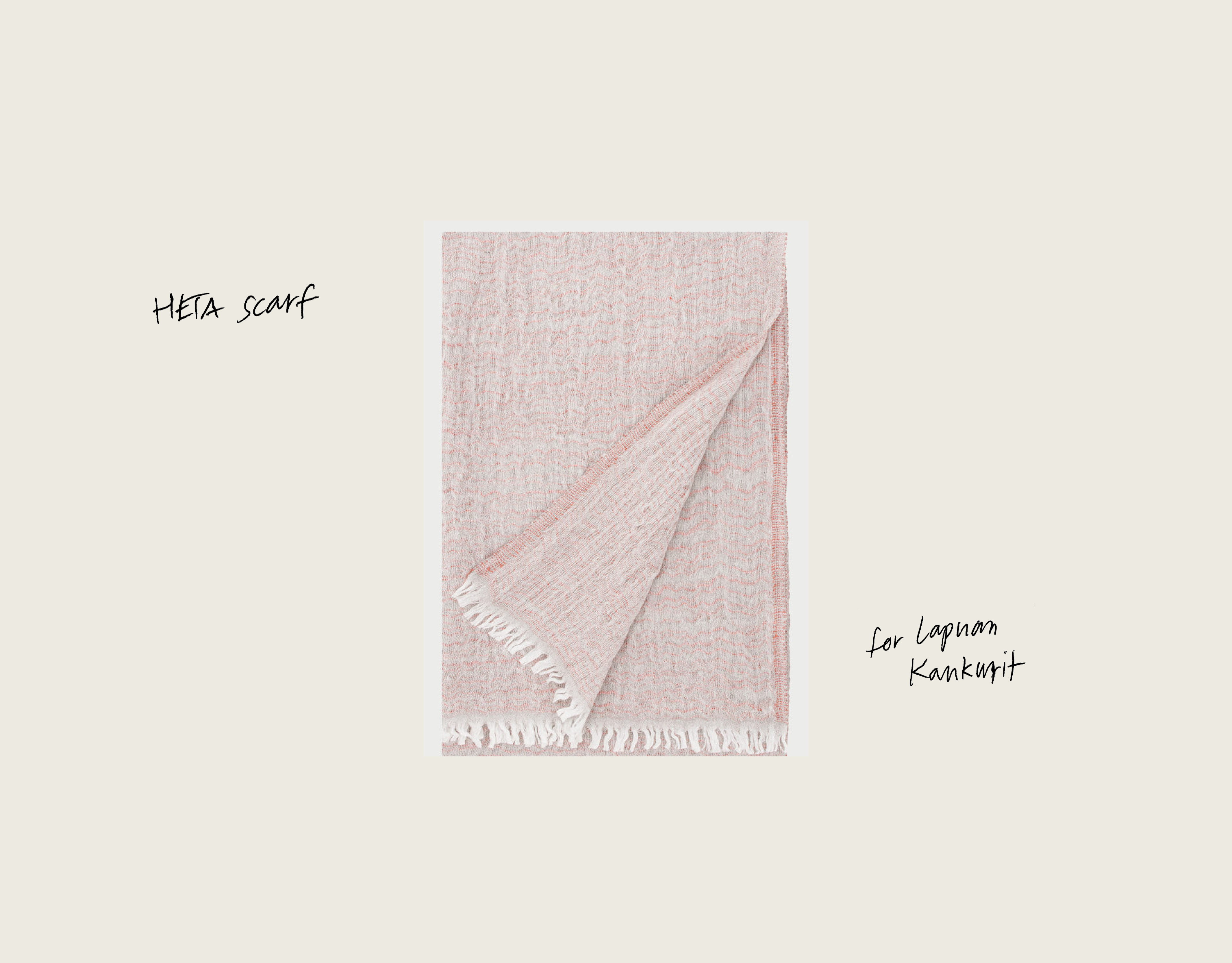
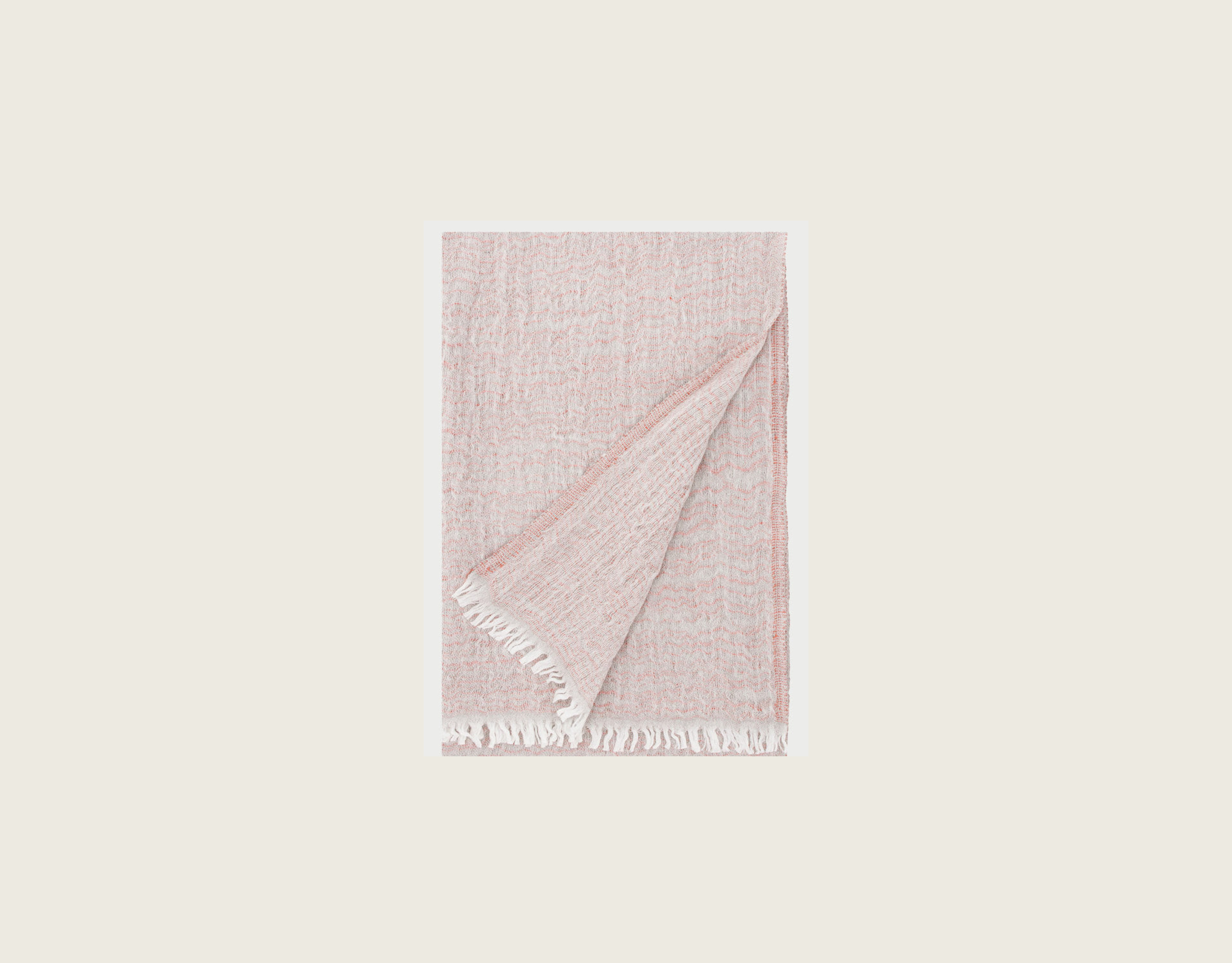
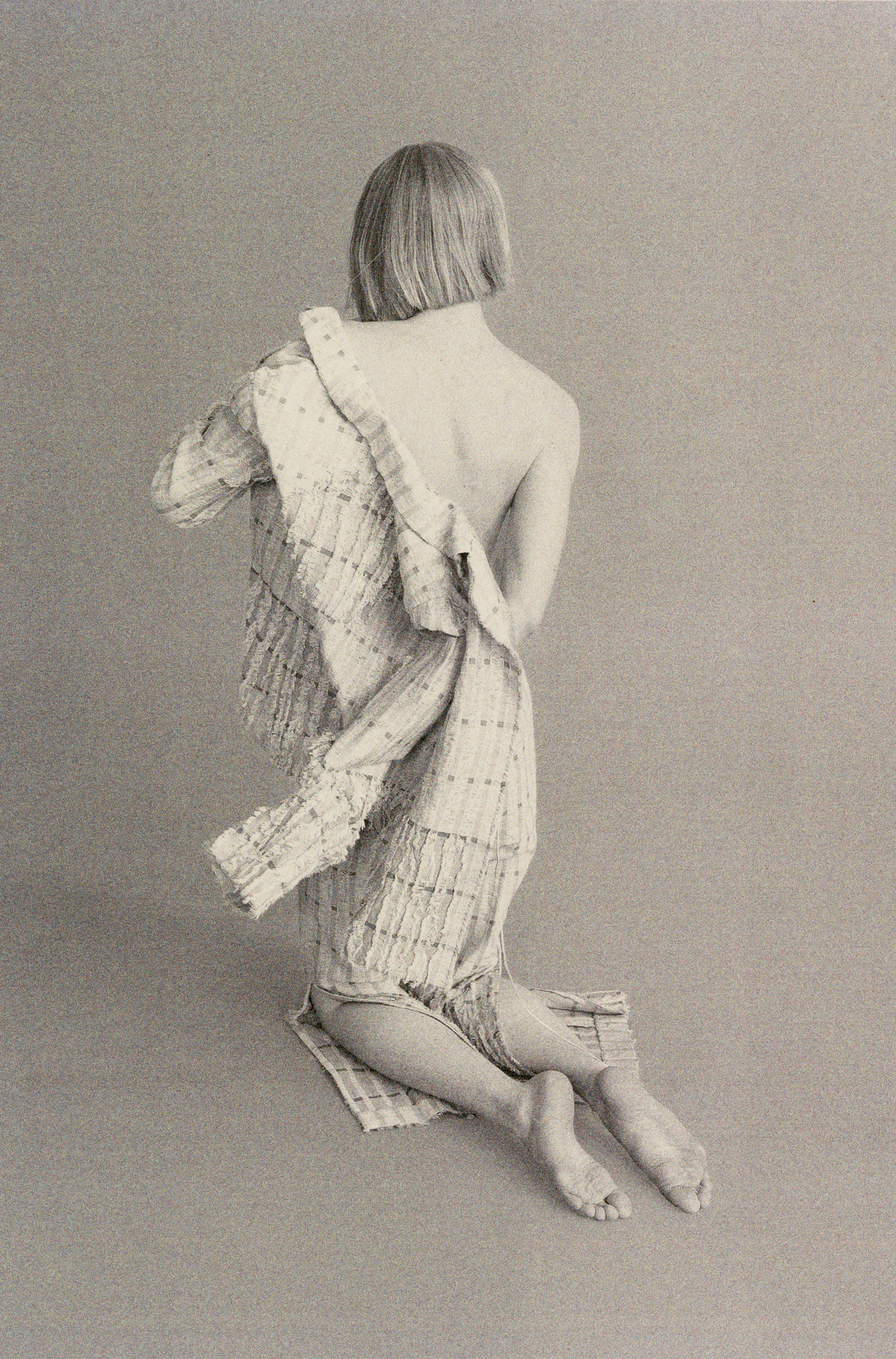
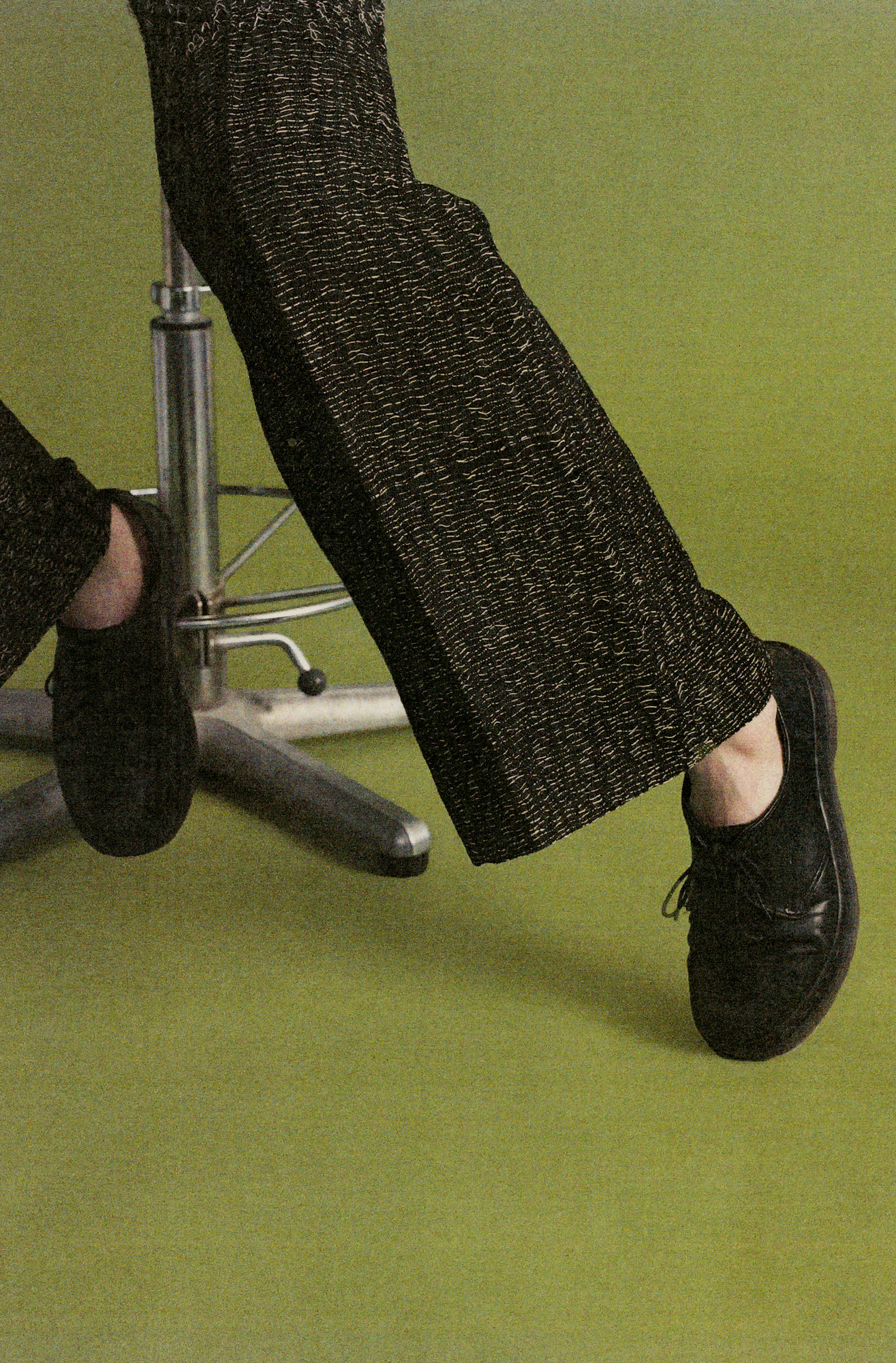
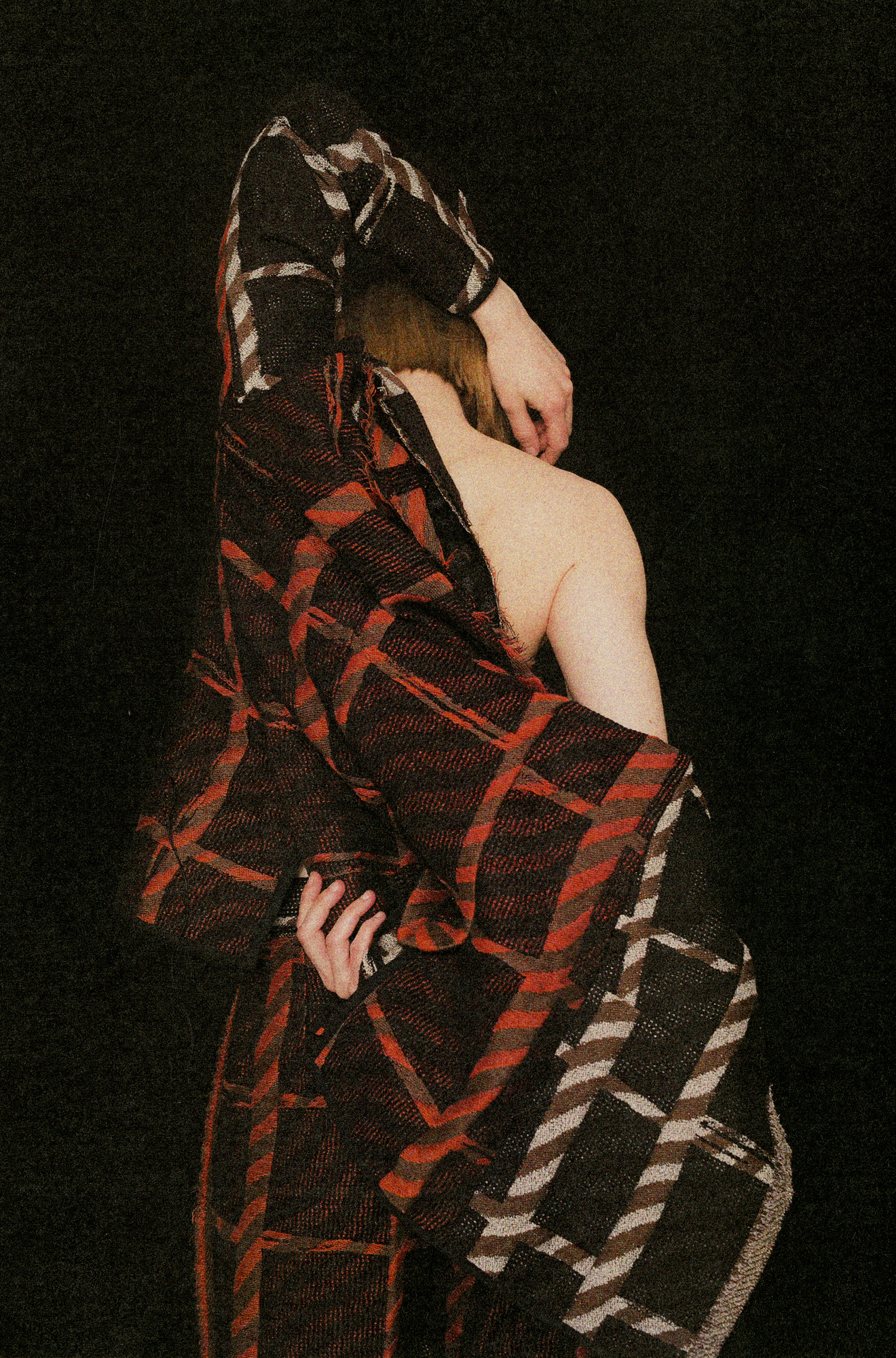
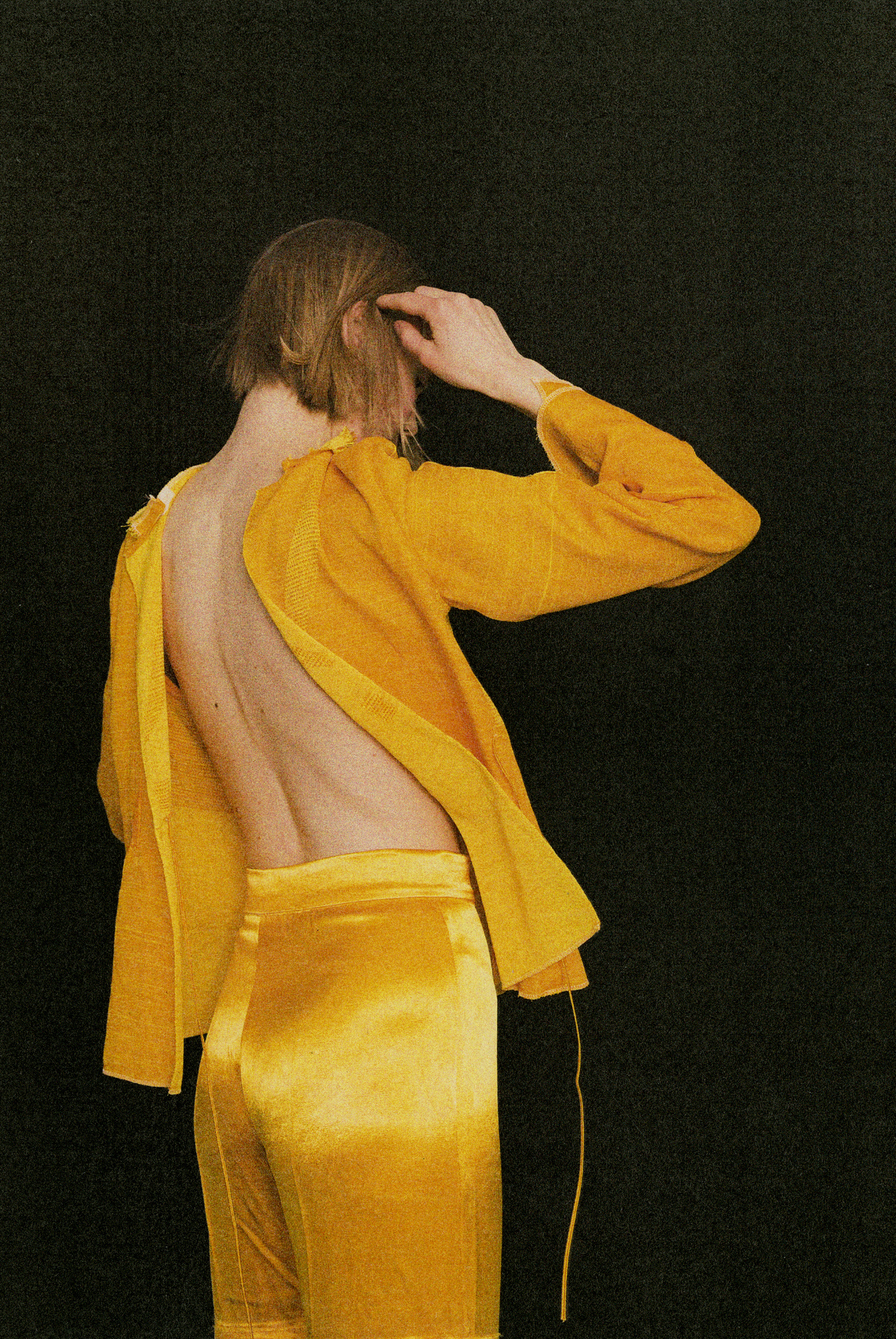
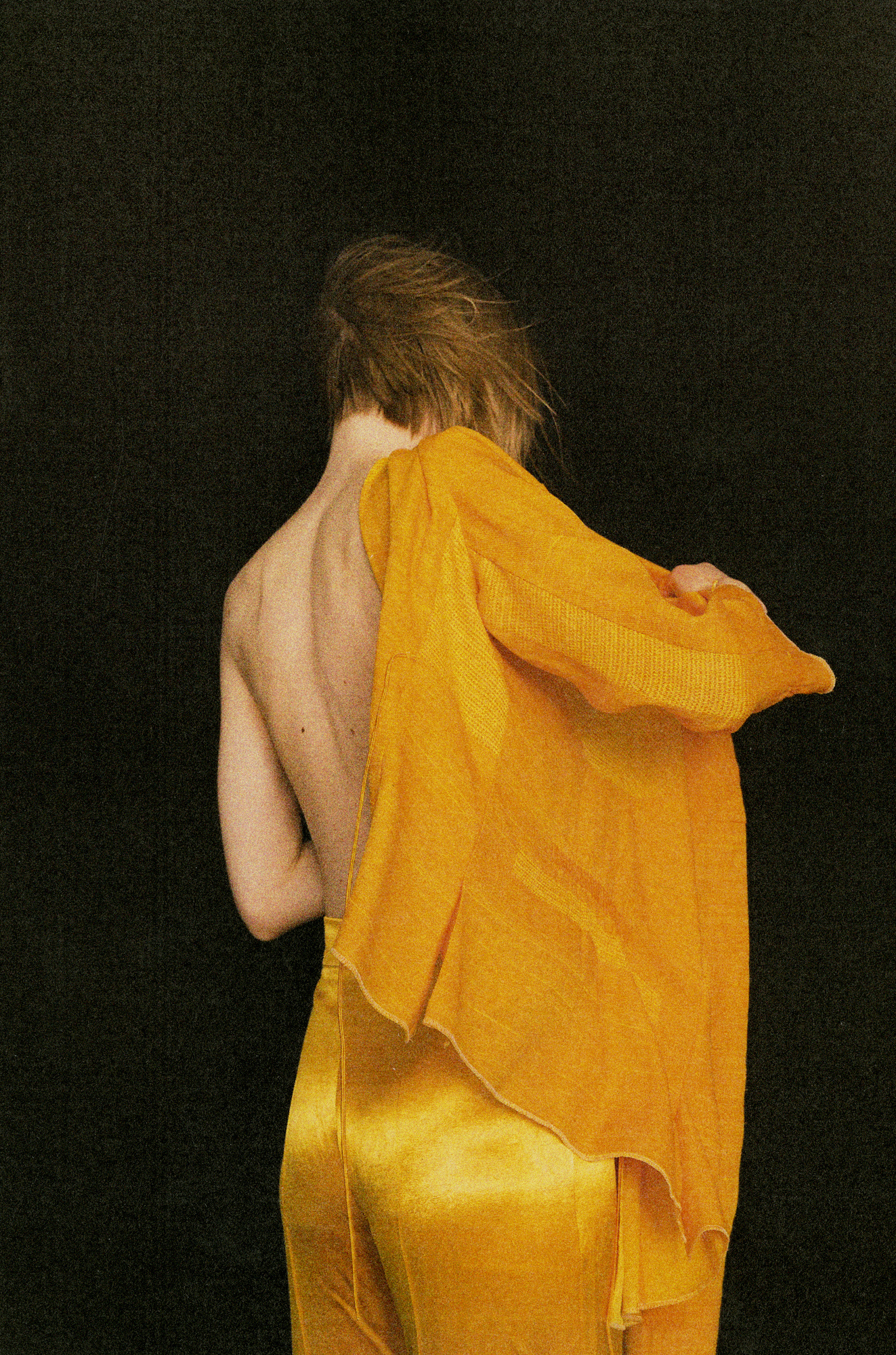
This work investigates different aspects of clothing culture in trying to understand what really is the significance of a garment. Clothes are looked at through their materiality, the form of a garment, how they manifest themselves in our everyday life and through their connection with the human body. Aesthetically, the work draws inspiration from traditional Japanese aesthetics. Collaboration with following companies: Lapuan Kankurit, Kiryu Seisen Shoji Co, Ltd. Editorial photography by Sofia Okkonen.
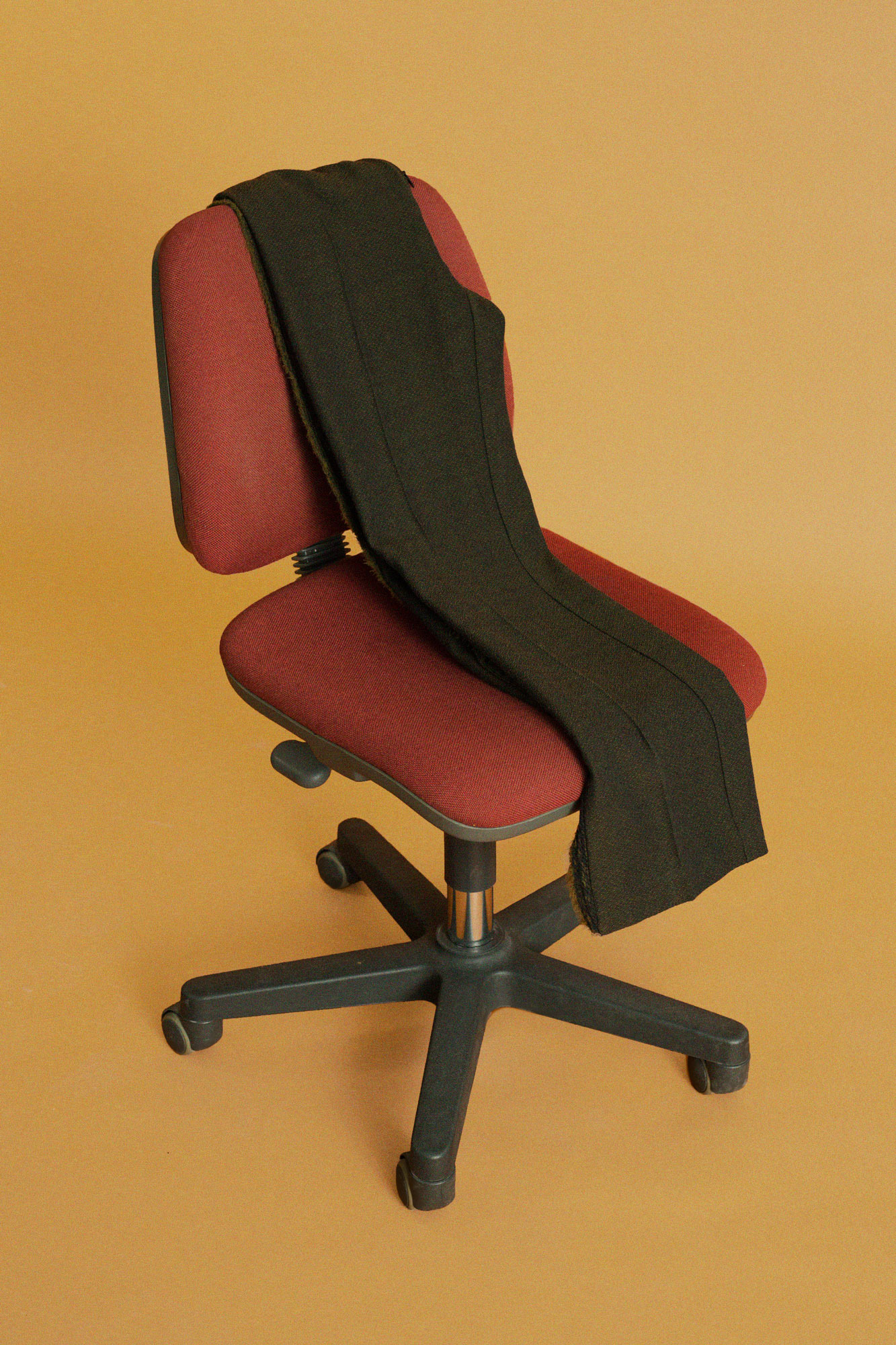
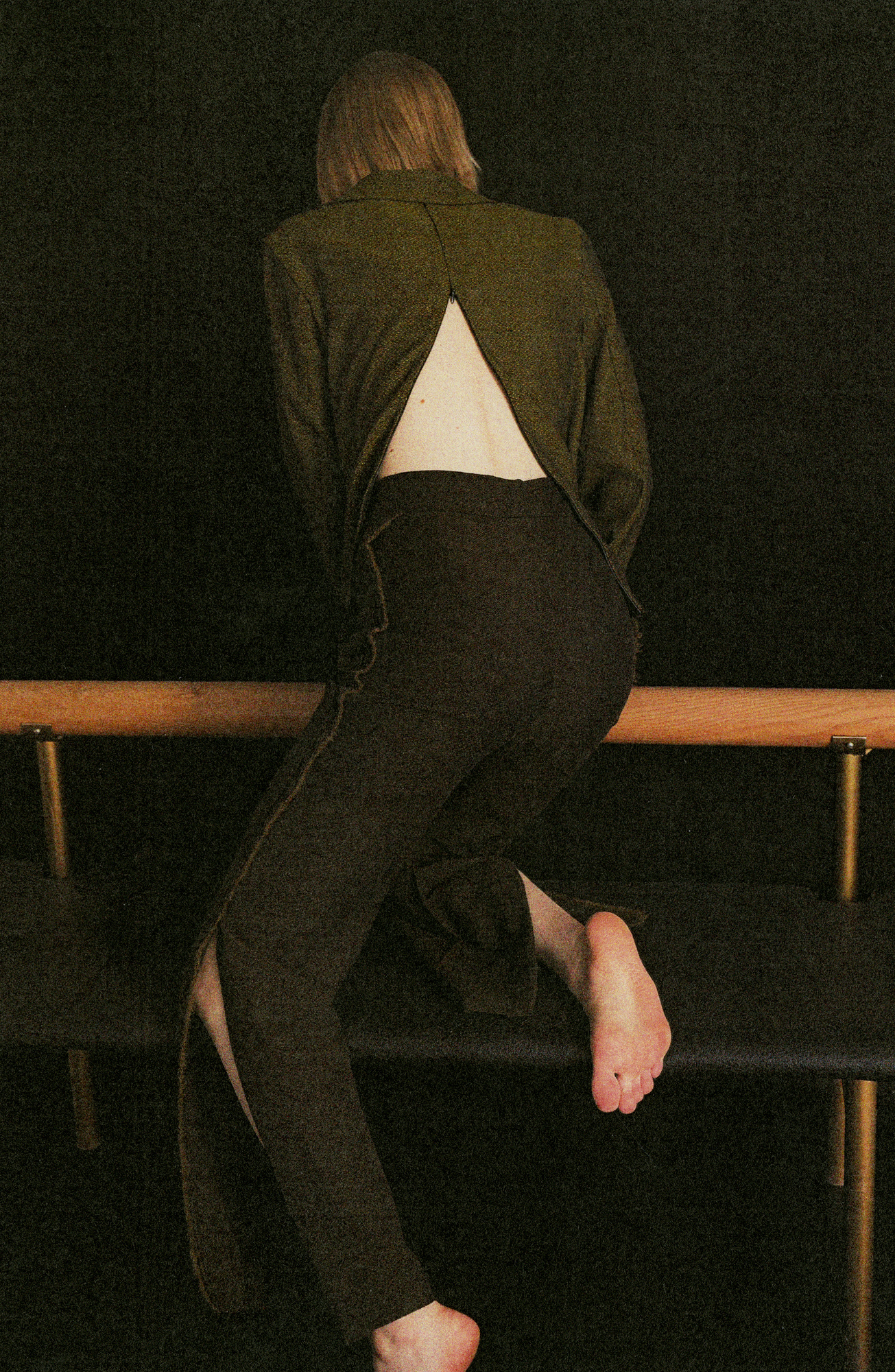
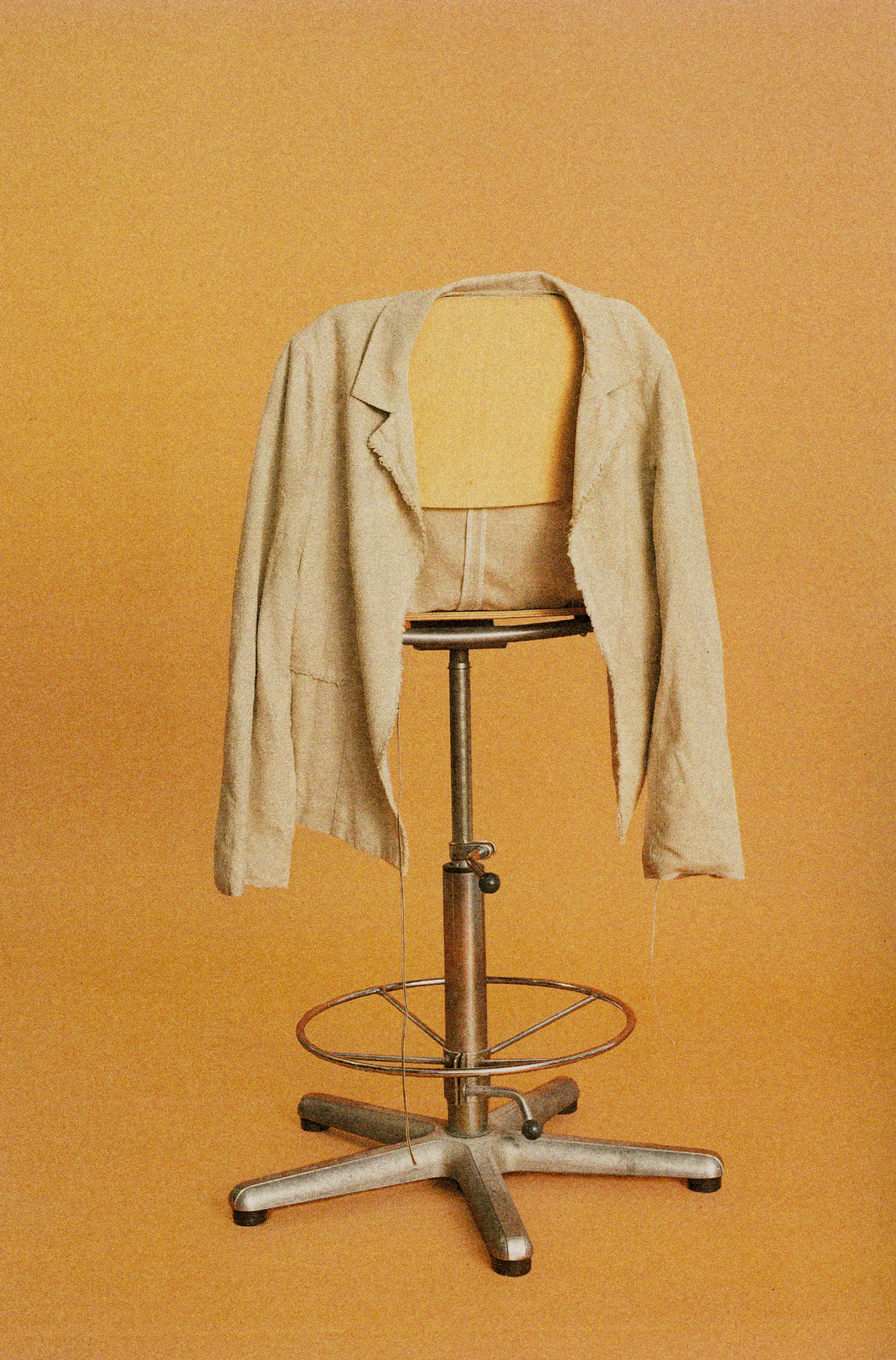
research/ In 2016 I lived in Kyoto for six months and took countless photos of random things that caught my attention. These photographs became the aesthetic foundation for this work. Natural materials and muted, muddy colours, salarymen sleeping in trains in creased business suits. Back home, I researched these observations further, taking photos of my clothes left in piles on chairs and on the floor and wearing a suit and seeing how it behaves in movement. I was intrigued by this kind of silent and mundane beauty and how in all of these situations, clothes had a very different character than what is seen in commercial or fashion images.
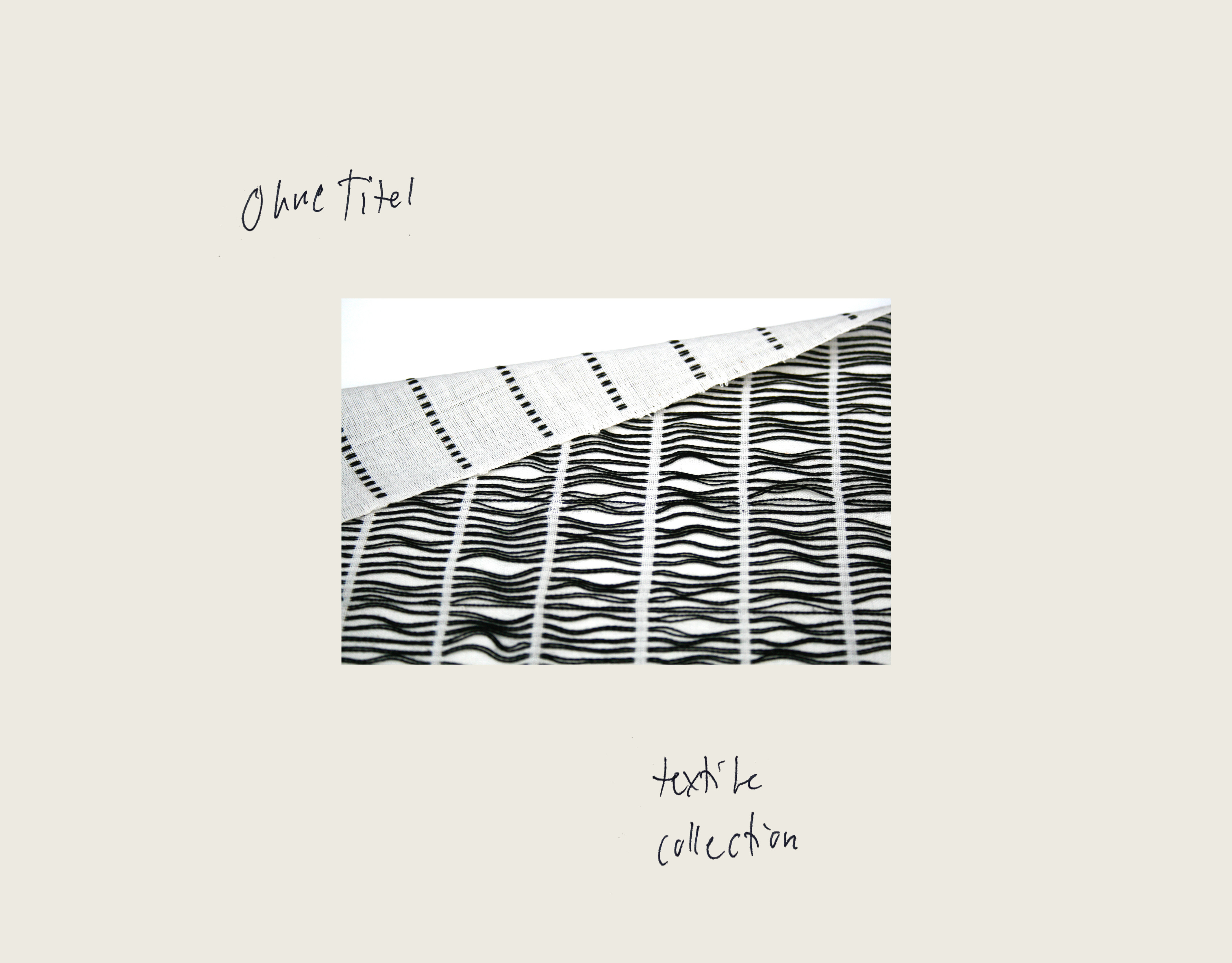
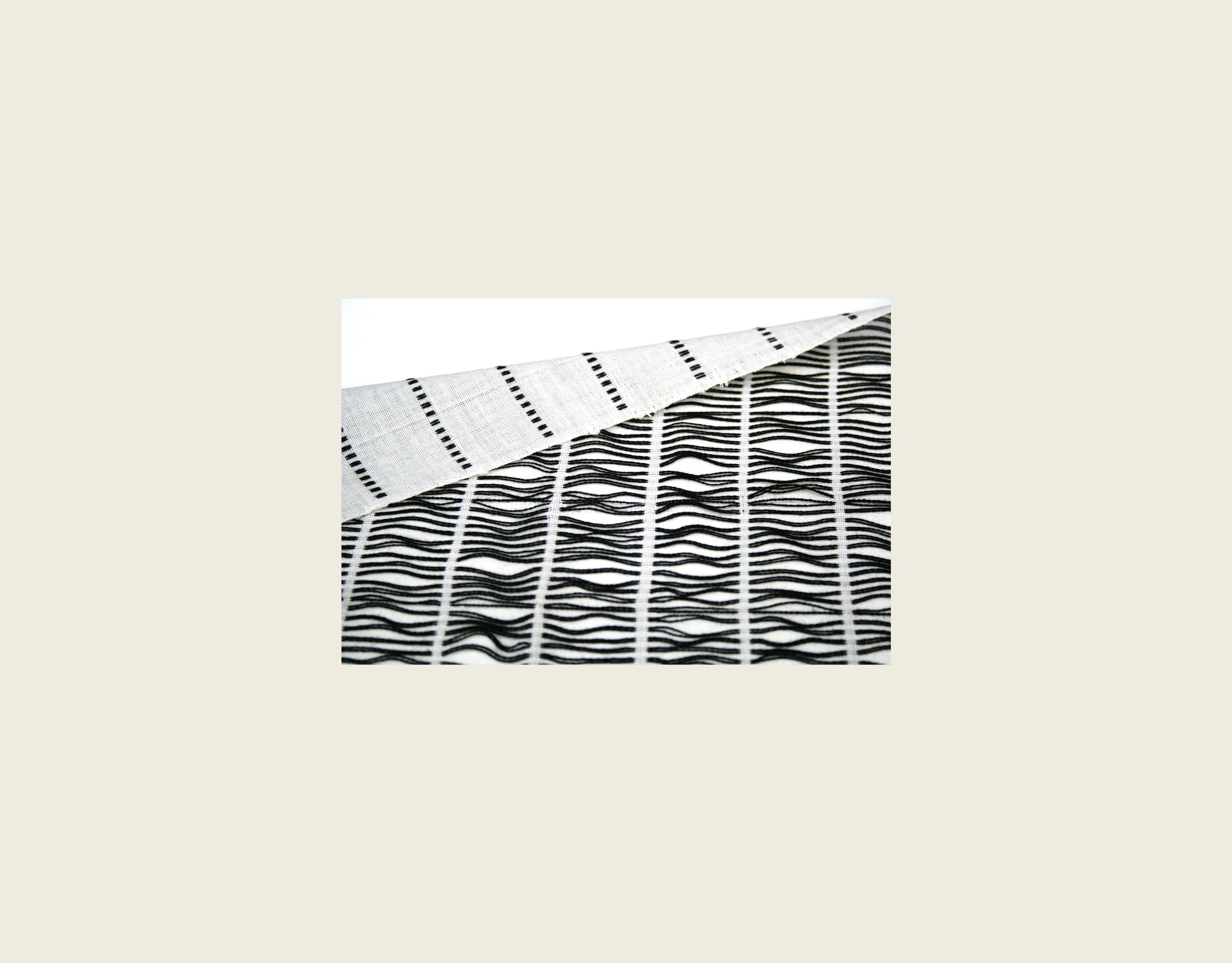
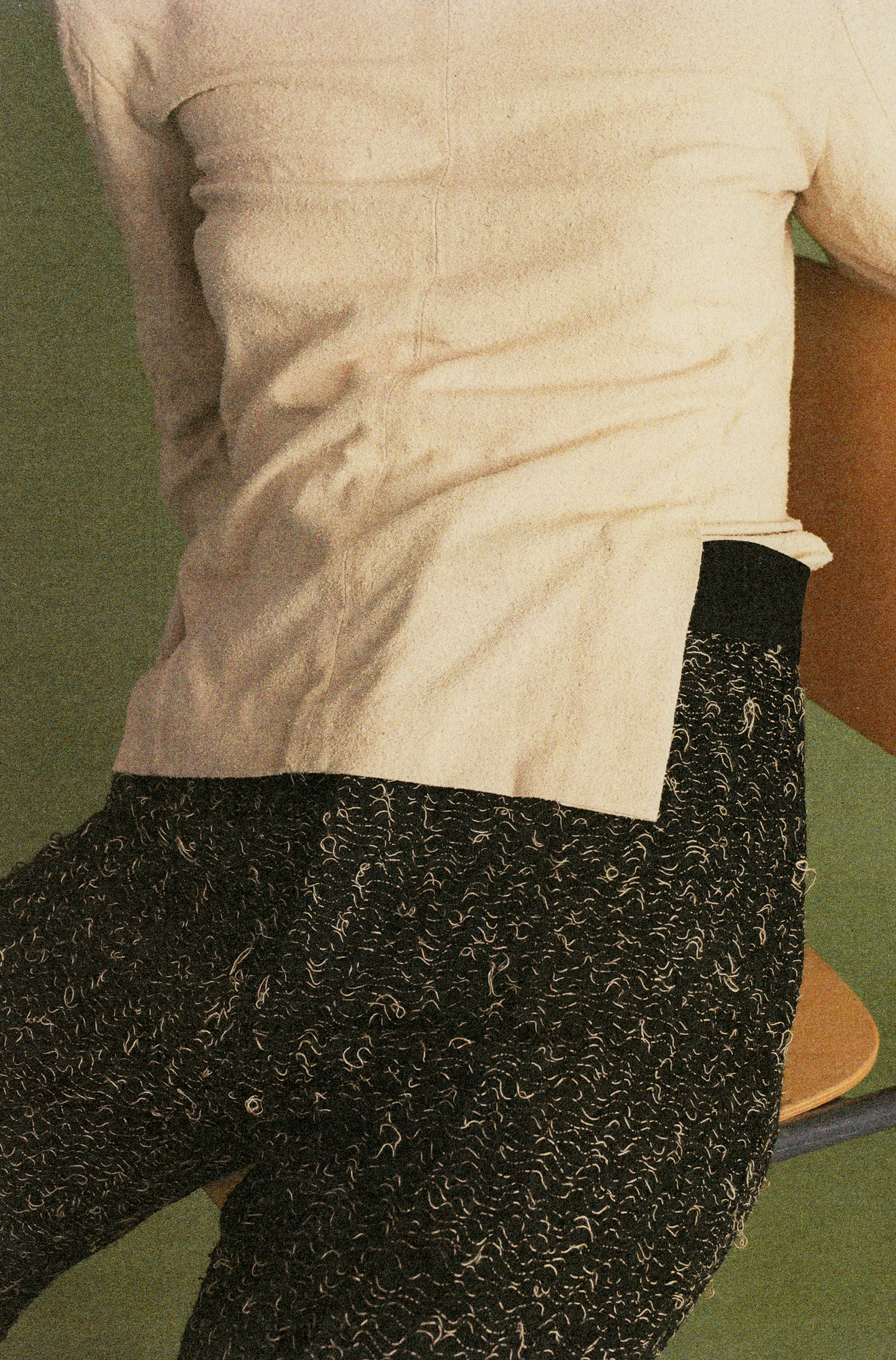
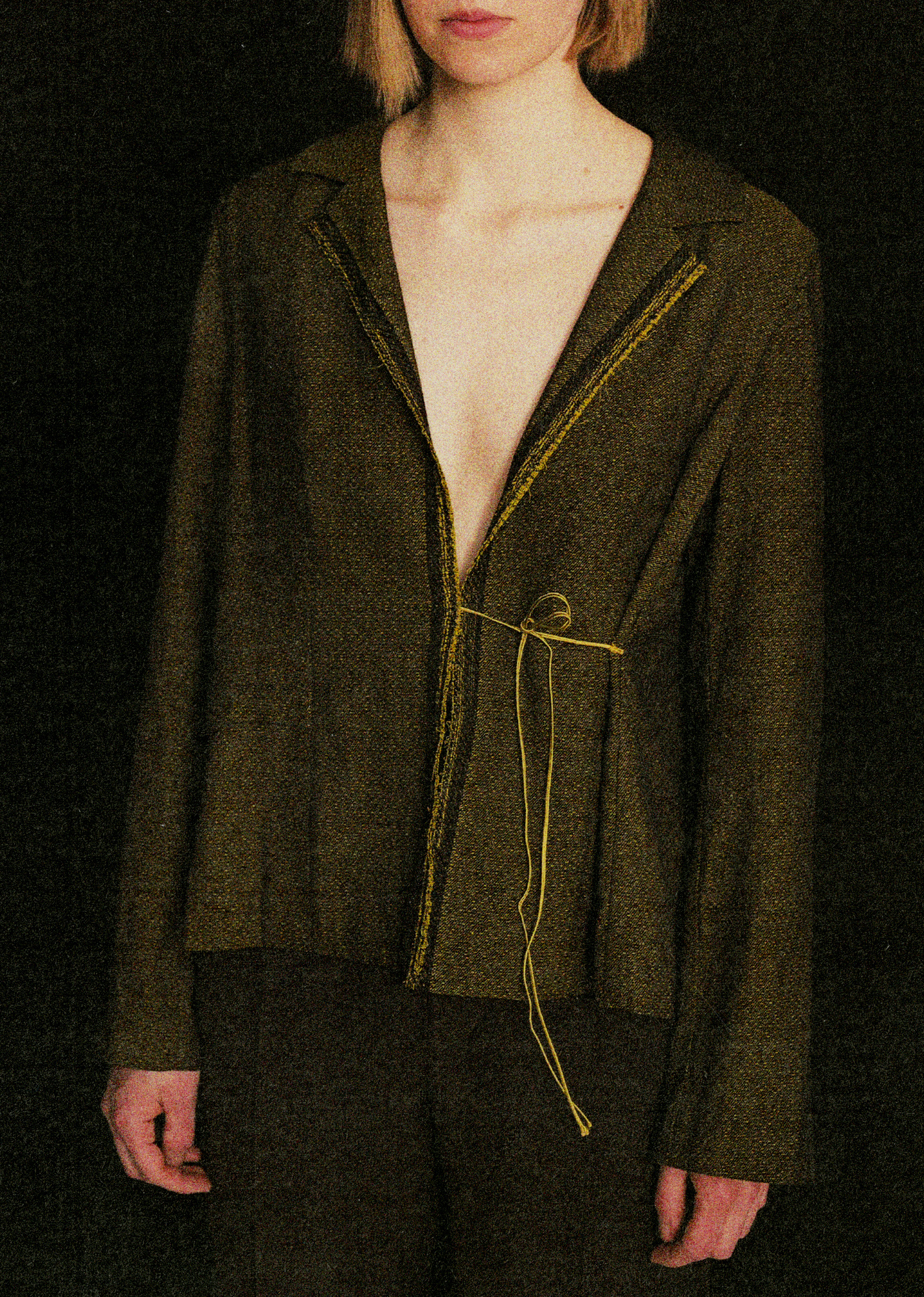
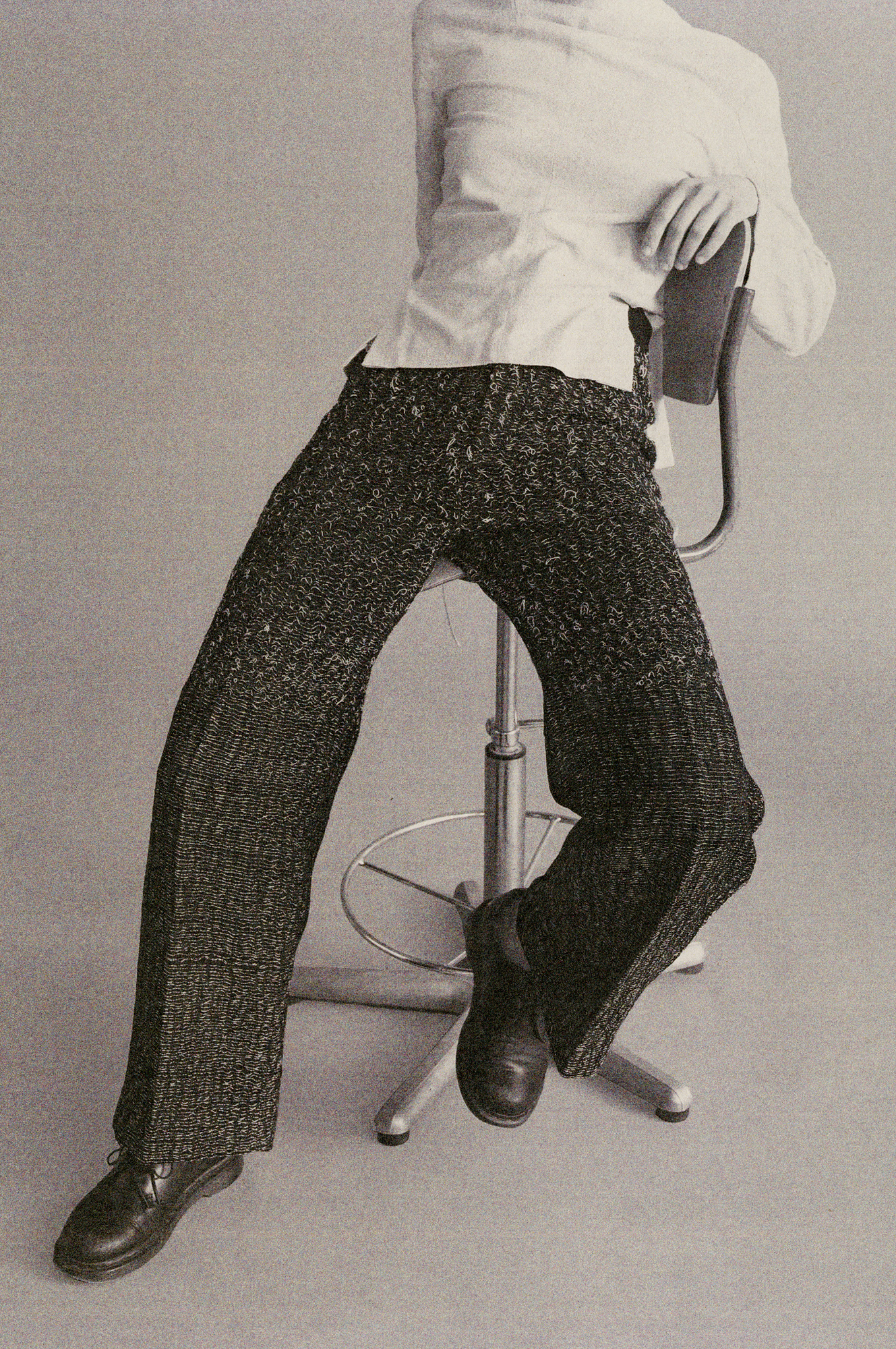
textile design/ The main focus in this work was to design woven textiles that contain movement or a change within them and seem rough of worn out in parts. I designed each textile so that it could be altered with finishing techniques. This means that the chosen effect determined the selection of fibre material, yarn and weave. For example, I made fabrics with overtwisted yarns that shrink in hot water, bouclé yarn with a specific weave that allows it to be brushed open, felting a textile with wool and linen to make the linen yarn bubble up and mixed fibre textiles that dye differently.
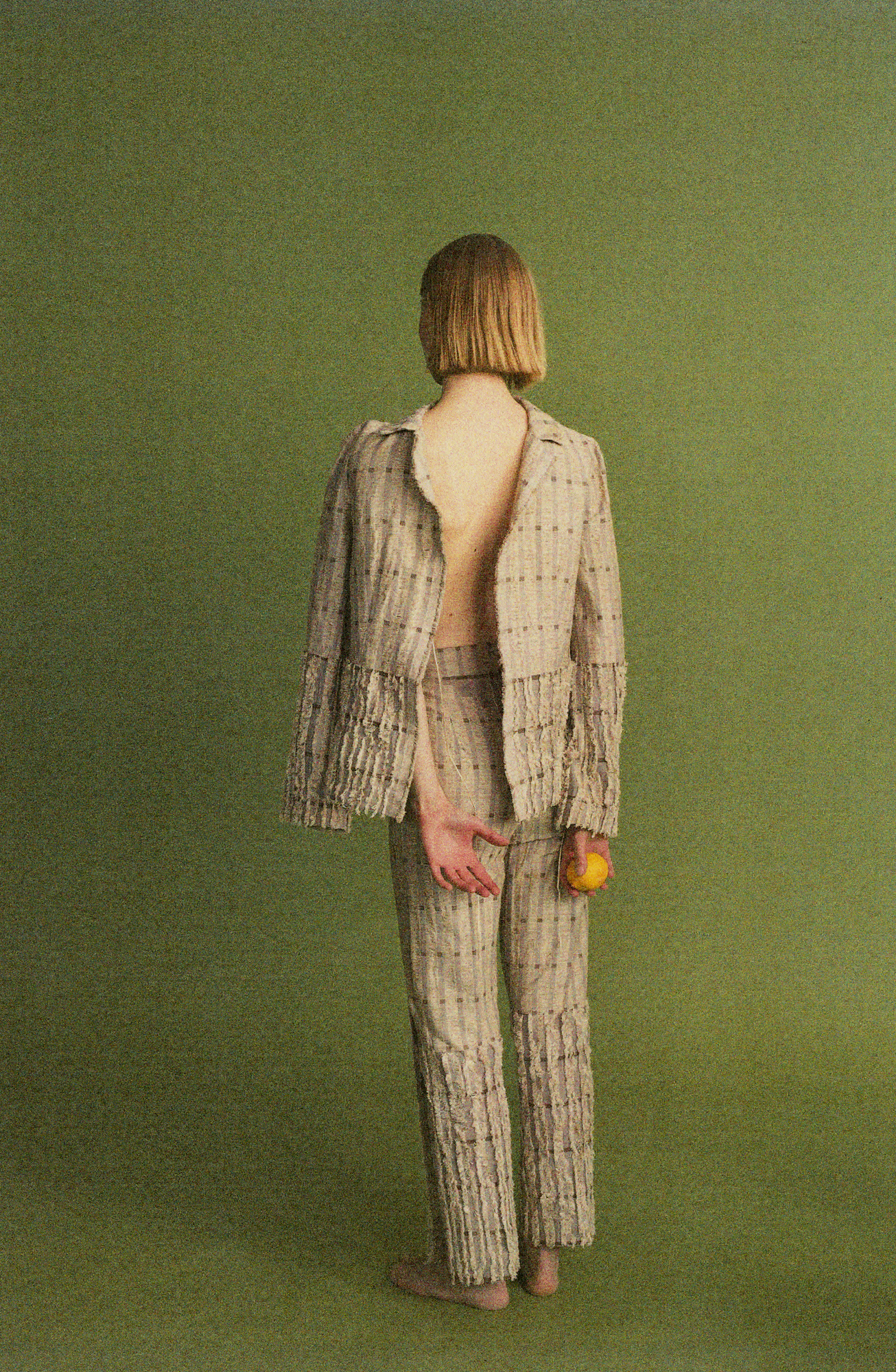
body mapped weaving/ A few garments were made with a body mapped weaving technique that I developed. After researching about human thermoregulation, I took the pattern of the garment to Photoshop and drew on specific areas for ventilation and for giving form, creating the file for jacquard weaving. The textile was hand woven with a jacquard loom, using a mesh-like mock leno weave for ventilation and overtwisted, shrinking yarns to give shape to the garment.